
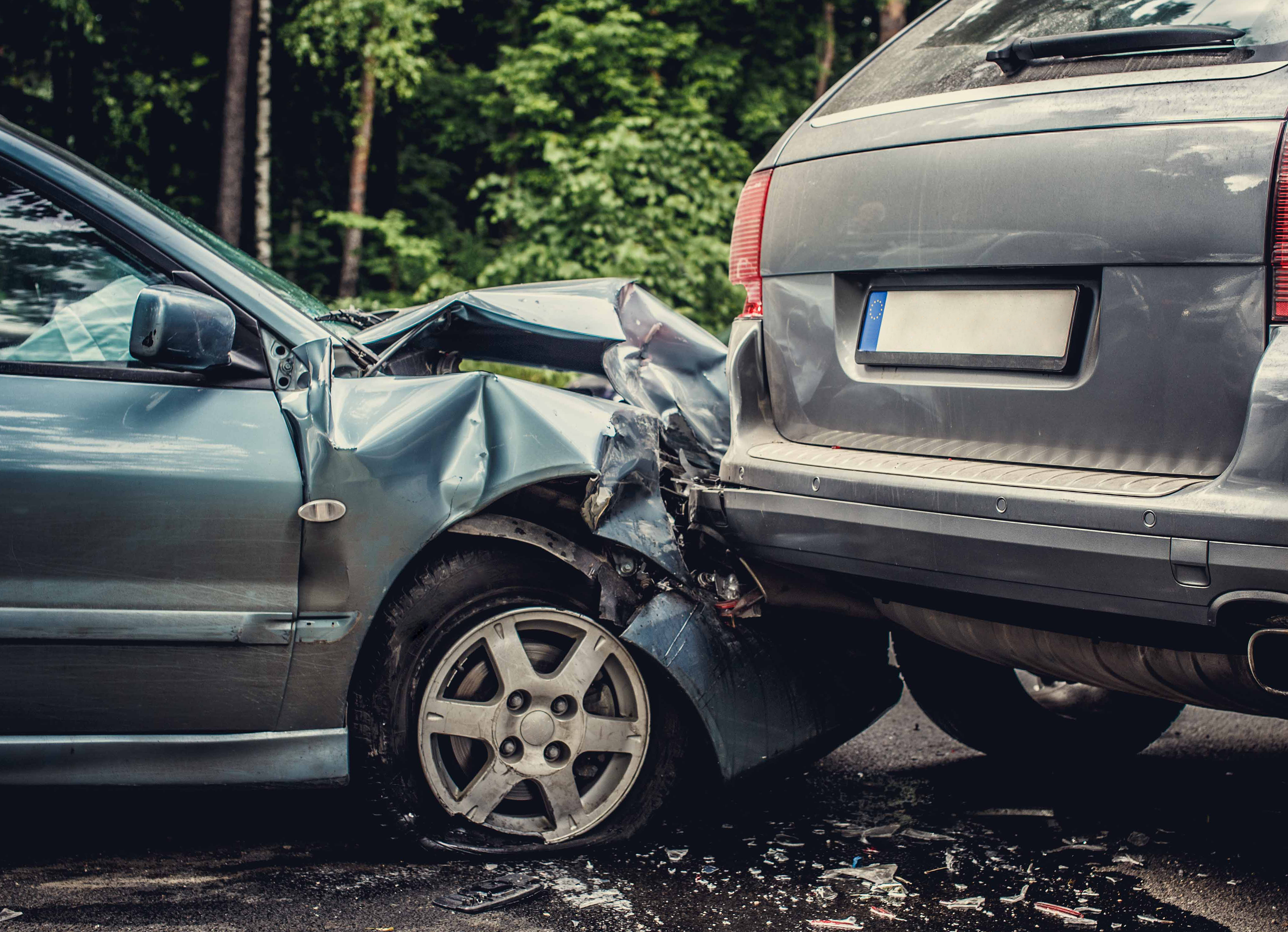
What to Do After an Accident With an Uninsured Driver
Being involved in a car accident is stressful in any situation, but the experience becomes even more overwhelming when the other driver doesn’t carry insurance. Although most states have laws requiring drivers to maintain at least a minimum amount of liability coverage, a surprising number of motorists still operate their vehicles without it. When you’re hit by an uninsured driver, the path to recovering compensation can feel confusing and uncertain. Even so, there are still several avenues available to help you manage the aftermath and protect your financial well‑being.
If you ever find yourself in this situation, the steps you take at the scene and in the hours following the crash are incredibly important. Start by checking yourself and any passengers for injuries. Even if injuries seem minor, it’s essential to involve law enforcement so an official accident report can be created. A police report provides crucial documentation that will support any insurance claim or legal action you pursue later.
Once emergency needs are addressed, collect as much information as you can. Exchange contact details with the other driver, including their name, phone number, and address. Make note of their vehicle make, model, and license plate. Take clear photos of the vehicles, the surrounding area, and any visible damage. These details will serve as evidence, especially when the other driver has no insurance to rely on. After you’ve gathered the necessary information, reach out to your insurance company to report the crash as soon as possible. States typically follow an at‑fault system, meaning the driver responsible for causing the accident is financially liable for damages. Your insurer will want to begin evaluating who is at fault and how your coverage applies.
Your Insurance Coverage Options
If the uninsured driver is ultimately found to be at fault, your own policy may offer protection, depending on the coverage you’ve selected. Many drivers carry uninsured or underinsured motorist coverage, often referred to as UM or UIM. This type of coverage steps in when the other driver does not have insurance or does not have enough insurance to cover your injuries and other losses. UM coverage may help pay for medical expenses, lost wages, and sometimes even damage to your vehicle.
Beyond UM coverage, other parts of your auto policy could also assist you. Collision coverage, for example, pays for repairs to your vehicle regardless of who caused the crash. Personal injury protection (PIP), available in some states, helps cover medical bills and related costs like lost income or essential household services. These coverages can offer critical financial support, especially when the at‑fault driver has no policy to rely on. If your policy does not include optional protections like UM, UIM, collision, or PIP, your ability to recover payment may be more limited.
Considering Legal Action
Another option is to pursue legal action against the uninsured driver. Filing a lawsuit can allow you to seek compensation for financial losses such as medical bills, vehicle repairs, and other damages like pain and suffering. However, this approach is often only effective if the uninsured driver has significant assets or financial resources. If they do not, you may win a judgment that ultimately cannot be collected. Before choosing this route, it’s often helpful to consult with an attorney who can assess whether legal action is practical in your situation.
An experienced car accident attorney can also guide you through gathering documentation, negotiating with your insurer, and understanding your rights. They will help you evaluate how fault is determined, what compensation you may be eligible for, and whether pursuing a lawsuit is worthwhile based on the uninsured driver’s ability to pay.
What to Do in a Hit‑and‑Run
If the accident involves a hit‑and‑run driver, the process is similar in many ways. Because there is no identifiable driver to file a claim against, your uninsured motorist coverage will typically apply. As with any accident, you should call the police immediately and provide as much detail as you can recall. Then, notify your insurance company promptly so the claims process can begin. Your insurer will review the police report, assess your damages, and determine how your coverage applies.
Protecting Yourself After the Accident
Navigating an accident involving an uninsured driver can be frustrating, but you do not have to figure it out alone. A lawyer can offer valuable guidance, help you avoid mistakes that might affect your claim, and communicate with your insurance company on your behalf. Understanding your coverage options, documenting the accident thoroughly, and taking quick action after the crash are all essential steps in reducing financial strain.
Even though dealing with an uninsured driver adds an extra layer of complexity, there are still paths for recovering compensation. By staying calm, knowing what steps to take, and getting help when you need it, you can better protect yourself and work toward a smoother recovery.