
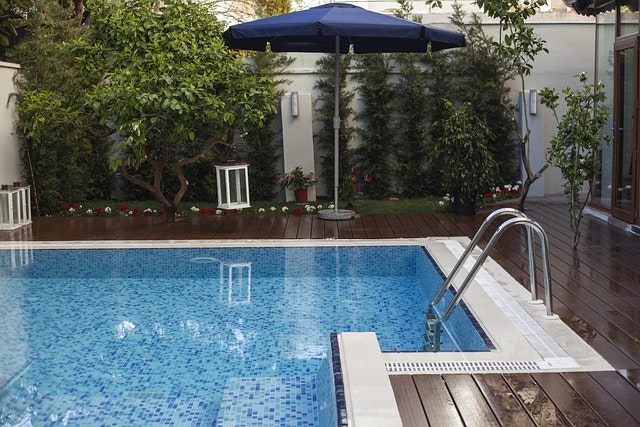
Summer Pool Safety and Liability
Swimming pools offer a fun and refreshing way to beat the heat, especially during the summer months. But alongside the enjoyment, pool ownership also comes with important safety obligations and potential legal exposure. For New York property owners, understanding how accidents tie into premises liability is essential. Taking the right precautions can help prevent injuries and protect your peace of mind.
This guide breaks down the major safety concerns, legal issues, and practical steps every property owner should keep in mind. Whether you own a home pool or manage a property with shared swimming facilities, staying informed can make a meaningful difference.
Why Pool Owners Must Be Extra Vigilant
While a pool can add significant value and appeal to a property, it also introduces risks that require consistent oversight. Drowning, falls on slick surfaces, diving injuries, and equipment malfunctions can all occur quickly and unexpectedly. Even small hazards or brief moments without supervision can lead to serious consequences.
These incidents often fall under premises liability, a legal framework that requires property owners to maintain reasonably safe conditions for guests. If someone is harmed because a dangerous condition was ignored or mishandled, the owner may be held financially responsible.
Proving liability typically requires showing that a hazard existed, the owner knew or should have known about it, the danger was not repaired or communicated, and that it directly caused the injury. Understanding this structure can help pool owners address issues early and minimize risk.
Hidden Hazards Versus Obvious Dangers
A major factor in many premises liability cases is whether a condition was easy to recognize or concealed. Pool owners usually are not required to warn guests about dangers that any reasonable person would expect—like a wet pool deck being slippery.
However, hidden hazards demand closer attention. These may include:
- Unstable or broken pool ladders
- Faulty or blocked drains that create strong suction
- Damaged tiles or surfaces beneath the waterline
- Sudden depth transitions that are not clearly marked
When these conditions are present and go uncorrected, they can significantly increase the likelihood of injury. Routine inspections and quick repairs are key to preventing accidents and reducing legal exposure.
Why Pools Require Extra Precautions For Children
Pools are especially appealing to children, who may not understand or recognize the risks of being near water. Because of this, many states—including New York—apply the attractive nuisance doctrine when evaluating pool-related injuries involving minors.
This legal concept acknowledges that certain features, like swimming pools, naturally draw children in. As a result, property owners may be expected to take enhanced steps to restrict access, even if the child enters the property without permission.
Common safety measures include fencing at least four feet high, gates that automatically shut and latch, and in some cases, door or pool alarms depending on local requirements. If a child manages to enter the pool area and is harmed, courts often examine whether the owner implemented reasonable safety barriers.
Essential Safety Measures For Pool Owners
Enhancing safety around a pool begins with consistent and proactive habits. Property owners can greatly reduce risk by taking several practical steps:
- Secure the area. Installing proper fencing or a barrier limits unsupervised access, especially for children. Gates should be self-closing and self-latching.
- Maintain all equipment. Ladders, drains, pumps, covers, and slides should be inspected regularly to confirm they are safe and functioning correctly.
- Fix hidden hazards quickly. Issues like loose tiles, inadequate lighting, or submerged objects should be repaired promptly or clearly disclosed if immediate repair is not possible.
- Provide active supervision. Accidents can unfold in seconds. Designating a responsible adult to watch the pool during gatherings helps keep swimmers safe.
These precautions not only protect guests but also show that the property owner acted responsibly if a claim is ever filed.
Equipment And Maintenance Responsibilities
Beyond general safety, properly functioning equipment is critical in preventing swimming pool injuries. Drain malfunctions, unstable diving boards, broken ladders, and loose slides can all lead to severe accidents.
In some cases, liability may extend beyond the property owner. If a piece of equipment is defective, manufacturers, installers, or distributors may also share responsibility. Ensuring that everything is installed properly and maintained on a regular schedule can help prevent equipment-related hazards.
The Importance Of Insurance Coverage
Because pools increase the risk of injury, property owners should review their insurance coverage carefully. Many homeowners' policies require disclosure of a swimming pool, and failing to report one could impact coverage after an accident.
Some owners choose to increase their liability limits or purchase an umbrella policy for added protection. This additional coverage can be especially helpful for those who regularly host guests.
Understanding how your policy applies to pool-related incidents can help ensure you are fully protected if something goes wrong.
Steps To Take If A Pool Accident Happens
Even with strong safety practices in place, accidents can still occur. When an incident happens, the first priority is always to seek medical care for anyone who is injured.
Once immediate concerns are addressed, documenting the scene and gathering witness details can help preserve important information. Property owners should avoid making statements about fault until the situation is fully assessed.
Consulting an attorney—such as a New York personal injury lawyer at Almeida Law PC—can help clarify next steps and ensure the property owner understands their rights and responsibilities.
Swimming pools can create wonderful memories, but they also require ongoing care, attention, and awareness. If you have questions about premises liability, pool safety, or an accident involving a swimming pool, reaching out to a knowledgeable NYC personal injury attorney like Jessica A. Almeida can help you understand your options and protect your interests.